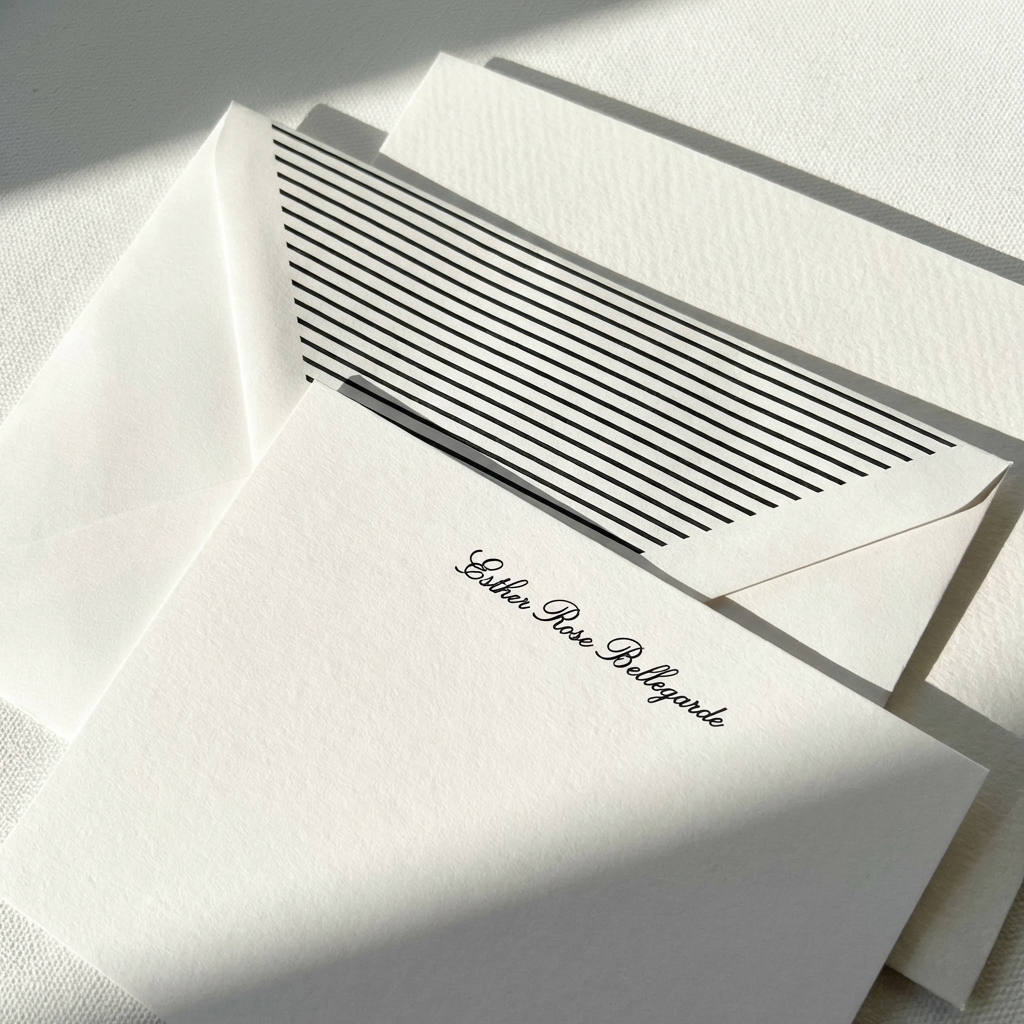
Do full names go on save the dates?
- Jul 14th 2026
Save-the-dates are a crucial first glimpse of a couple’s wedding vision. They set the tone, share essential details, and kick off the excitement leading up to the big day. But one question often pops up in the planning process: do full names belong on save-the-dates? The short answer is yes, with a few tasteful considerations. In this post, we’ll explore best practices for save-the-dates, focusing on how to present names clearly and beautifully.
Why save-the-dates matter
Save-the-dates are more than just a teaser. They establish:
- The date and location (in broad terms)
- The names of the couple and any host names
- The overall style and tone of the wedding (formal, whimsical, modern, etc.)
- A practical cue for guests to block the date
Because they are often sent well in advance, save-the-dates help guests plan travel, childcare, and attire. Getting the naming right ensures there’s no confusion when invitations arrive later.
The case for full names
Using full names on save-the-dates offers clarity and formality. Here are key reasons to include them:
- Avoid ambiguity: Especially for couples with common names, middle initials or full middle names can prevent mix-ups.
- Honor and tradition: Full names reflect a level of formality that matches many wedding aesthetics, particularly traditional or formal events.
- Consistency: If your invitations will include full names, it’s cohesive to carry that through to save-the-dates.
- Family and legal considerations: If parents, stepparents, or other family members are hosting, their full names help guests understand who is extending the invitation.
That said, “full names” doesn’t have to mean a long, ceremonial line. It can be stylishly concise while remaining unambiguous.
How to present full names elegantly
Incorporating full names into save-the-dates can be done in several tasteful ways. Choose a format that matches your wedding style and the level of formality you want.
- Formal: Include full names with a middle initial or full middle name, and consider listing titles if appropriate (Mr., Mrs., Dr., or courtesy titles for hosts).
- Example: Abigail Marie Smith and Jonathan Edward Carter
- Semi-formal: Use full names but skip titles, keeping the layout clean.
- Example: Abigail Smith and Jonathan Carter
- Casual: First names plus last names can read friendly while still avoiding ambiguity.
- Example: Abby Smith and Jon Carter
If parents or hosts are involved, you can include them in a host line:
- Formal host line: Together with their parents, Mr. and Mrs. Michael and Elizabeth Thompson, request the pleasure of your company
- Simpler host line: Mr. and Mrs. Michael and Elizabeth Thompson invite you to save the date
Design considerations for displaying names
The typography and layout of save-the-dates play a major role in how names feel on the page. Consider the following design tips:
- Readability: Use a font size and contrast that makes all names easy to read at a glance.
- Hierarchy: The couple’s names should be prominent, with the wedding date clearly visible.
- Spacing: Sufficient breathing room around names prevents a crowded look.
- Style pairing: Choose fonts that reflect your aesthetic. A formal wedding might pair a serif with a script, while a modern wedding may opt for a clean sans-serif.
- Alignment: Centered layouts work well for most save-the-date designs, but left-aligned can feel contemporary and chic.
If you’re printing, ensure your save-the-date includes essential information:
- The couple’s names (as you want them displayed)
- The date
- City and state (or general location)
- A note that a formal invitation to follow
- Your wedding website URL, if you have one
Wording options by formality
The exact wording can influence how names are perceived. Here are common templates that accommodate full names:
- Formal and classic:
- “Mr. and Mrs. James A. Carter announce the marriage of their daughter, Abigail Marie Carter, to Mr. Jonathan Edward Smith on October 14, 2026.”
- Note: For save-the-dates, you might simplify to “Abigail Marie Carter and Jonathan Edward Smith request the pleasure of your company on October 14, 2026.”
- Modern and streamlined:
- “Abigail M. Carter and Jonathan E. Smith invite you to save the date for their wedding on October 14, 2026.”
- Casual and friendly:
- “Abby and Jon Carter invite you to save the date for their wedding: October 14, 2026.”
If you have different last names due to blending families or personal choice, decide early how you want to list them to keep consistency.
International considerations
If guests are traveling from abroad or if your wedding is destination-based, save-the-dates should still clearly present names. In some cultures, middle names or patronymics are important identifiers, so include them if that’s customary for you and your family. Additionally, consider including a brief note about travel or accommodation on your wedding website, which can reduce confusion for international guests.
Common pitfalls to avoid
- Inconsistency: Don’t switch between using full names and preferred names across different save-the-date pieces.
- Overloading with titles: In most cases, titles aren’t necessary unless they add meaningful clarity.
- Leaving out hosts: If parents or hosts are contributing financially or hosting, their names should appear in some form.
- Missing location hints: Even a general location helps guests assess travel needs.
Final thoughts
Save-the-dates are the first impression of your wedding day. Including full names can add clarity, formality, and cohesion with your invitations, especially if your wedding style leans traditional or if you anticipate potential name confusion. Choose a format that reflects your personality and the tone you want for the celebration, and keep your design clean and legible. By thoughtfully presenting names and essential details, you’ll give your guests a clear, inviting invitation to save the date and begin their journey toward your special day.