How Do You Write a Heartfelt Appreciation Message?
- Feb 21st 2026
Crafting a heartfelt appreciation message is a thoughtful gesture that can brighten someone's day and deepen your connection. Whether you’re expressing gratitude through a thank you card elegant in its simplicity or a longer note, the act itself speaks volumes about your care and attention. In this post, we’ll explore practical tips, structure, and ideas to help you write messages that feel genuine, warm, and memorable.
Why heartfelt appreciation matters
Expressing gratitude is more than polite etiquette. A sincere message acknowledging effort, kindness, or support reinforces relationships, boosts morale, and can inspire continued generosity. When you pair authenticity with a touch of elegance, such as a thank you card elegant in its design, the sentiment lands even more clearly. People remember how you make them feel, and a well-crafted note can become a cherished keepsake.
Getting started: preparing to write
Before you put pen to paper, take a moment to reflect on the specific reasons you’re grateful. Ask yourself:
- What did the person do, and why did it matter?
- How did their action affect you or others?
- What personal qualities of theirs stood out (generosity, patience, thoughtfulness)?
- What tone feels right: formal, casual, or somewhere in between?
Having a clear sense of gratitude will help you tailor your message and avoid clichés. If you’re sending a physical note, consider pairing your words with a thank you card elegant in its design. A tasteful card can set the mood and serve as a physical reminder of your appreciation.
Structure of a heartfelt appreciation message
A well-organized note often feels more sincere and complete. Here’s a simple structure you can adapt:
- Opening: A warm greeting that references the relationship.
- Specific thanks: Mention what you’re grateful for with concrete details.
- Impact: Explain how their action helped or affected you.
- Personal touch: Add a memory, compliment, or shared moment.
- Forward look: Express hope for future interactions or ongoing connection.
- Closing: A thoughtful sign-off that matches the tone.
Tips for each part:
- Opening: Use a friendly but appropriate salutation. For close relationships, you can say “Dear [Name],” or even “Hi [Name],”.
- Specific thanks: Be precise about what they did. Instead of “thanks for your help,” try “thank you for staying late to help me finish the project.”
- Impact: Describe the difference their gesture made. This makes the gratitude feel tangible.
- Personal touch: A short memory or trait highlights their character.
- Forward look: Mention future collaboration or ongoing appreciation.
- Closing: Choose a closing line that fits the mood, such as “Warmly,” “With sincere gratitude,” or “Yours gratefully.”
Tone and style: finding your authentic voice
The most important ingredient is authenticity. Your message should reflect how you actually feel and your relationship with the recipient. Consider:
- Formal vs. casual: A colleague might appreciate a polished, professional note, while a close friend may prefer a warm, informal tone.
- Brevity vs. length: Some situations call for a concise message, others for a longer, more reflective note.
- Verb choices: Use specific verbs that convey appreciation rather than generic phrases.
If you’re aiming for a refined touch, you can incorporate a hint of elegance without losing sincerity. For example, a thank you card elegant in its presentation can complement straightforward, heartfelt wording.
Examples you can adapt
Short and sweet (for a quick thank you card elegant in design):
- Dear [Name], thank you for your kindness and support. Your thoughtful gesture brightened my day.
A bit longer (for a card or email):
- Dear [Name], I’m truly grateful for your help with [specific task]. Your patience and expertise made a challenging project much smoother, and I appreciated your willingness to go the extra mile. This reminder of your generosity means a lot to me, and I hope we have more opportunities to collaborate in the future. Warm regards, [Your Name]
For a mentor or boss (professional, respectful):
- Dear [Name], I want to express my sincere appreciation for your guidance over the past [time period]. Your insights have helped me grow professionally, and your support during [specific situation] made a meaningful difference. Thank you for investing in me.
For a thank-you note that celebrates a gift:
- Dear [Name], I’m touched by your thoughtful gift of [gift]. It’s something I’ll treasure, and I’m grateful for the time you took to pick it out. Your generosity means a lot to me.
For a handwritten, long-form letter (deeper reflection):
- Dear [Name], I’ve been thinking about how you’ve shown up for me recently, especially during [situation]. Your unwavering kindness and [specific trait] have strengthened my belief in the goodness of people. I want you to know how much I value our relationship and how grateful I am for your presence in my life. Thank you for everything you’ve done.
Practical tips to elevate your message
- Be specific: Concrete details beat generic phrases every time.
- Use sensory language: Mention how their gesture made you feel or what you noticed.
- Keep it sincere: Don’t try to impress with grandiose language if it doesn’t feel natural.
- Handwrite where possible: A handwritten note often feels more personal than a typed message.
- Proofread: A quick read-through helps catch awkward phrasing or typos.
- Include a call-back: Reference a shared memory or upcoming plan to reinforce the connection.
Why a thank you card elegant in its presentation matters
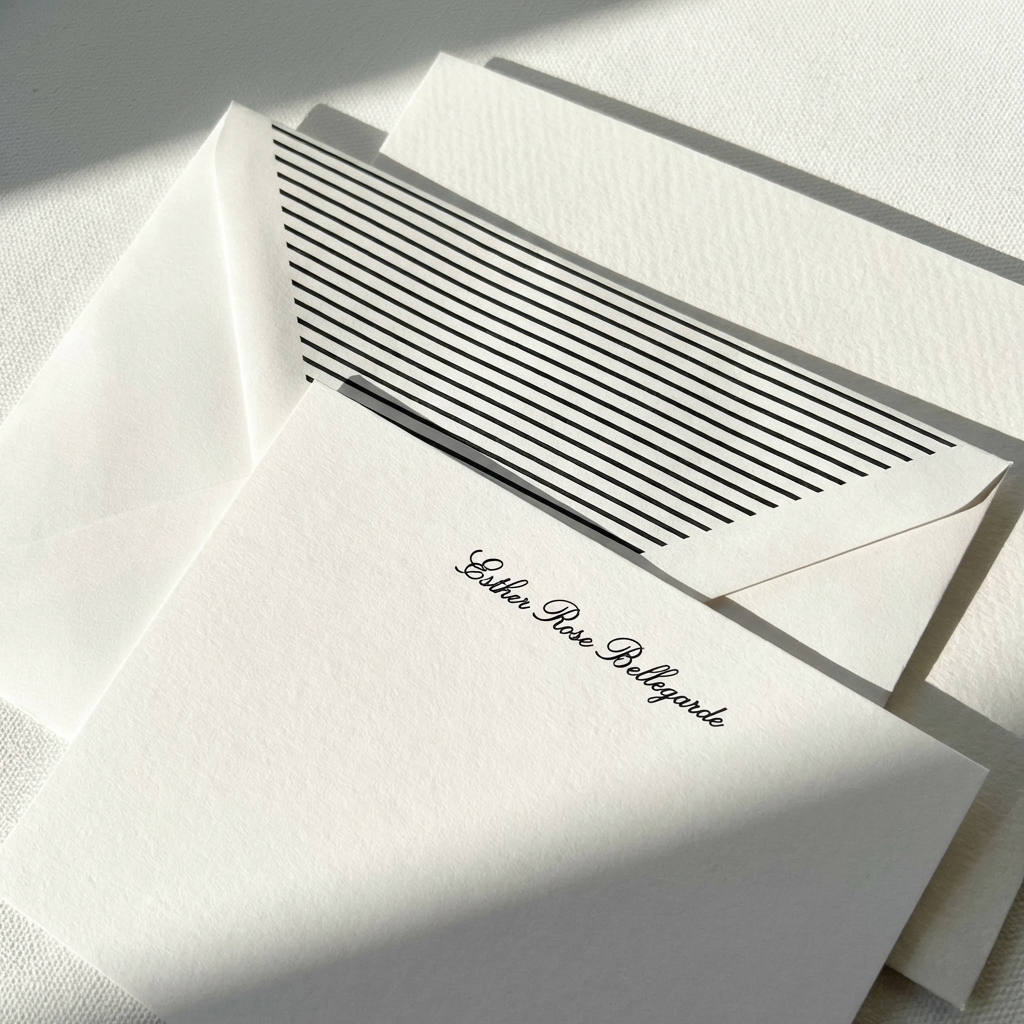
Presentation can enhance the impact of your words. A well-chosen thank you card elegant in its design signals that you took the time to thoughtfully convey your appreciation. The physical act of writing and sending a card adds a layer of intention that digital messages sometimes lack. If you’re unsure about style, opt for a clean, timeless design with legible typography and a subtle, tasteful color palette. The content remains the heart, but the surroundings can help set the right tone.
Common mistakes to avoid
- Overly effusive language that feels inauthentic
- Vague statements like “thanks for everything”
- Long-winded paragraphs that obscure the core message
- Failing to mention the impact of their action
- Delays in sending the message, which can lessen immediacy
Final thoughts
Writing a heartfelt appreciation message is a thoughtful practice that strengthens connections and acknowledges the kindness of others. By focusing on specifics, maintaining authenticity, and pairing your words with a tasteful thank you card elegant in design, you can craft notes that leave a lasting impression. Whether you’re thanking a colleague, friend, family member, or mentor, a well-crafted message communicates care, respect, and gratitude that transcends the moment. Start with a clear intent, speak from the heart, and let your words reflect the sincerity you feel.