Is Letterpress the Same as Engraving?
- Aug 21st 2026
When planning special printed pieces, especially for weddings, the terminology can be confusing. Is letterpress the same as engraving? The short answer is no, but both techniques share a long history of craftsmanship and can create stunning, tactile results. In this post, we’ll explore letterpress, engraving, and related methods like thermography wedding invitations, so you can choose the right look for your event.
Introduction to Letterpress and Engraving
Letterpress and engraving are traditional printing methods that produce raised, tactile surfaces, but they achieve this effect in different ways. Letterpress uses relief printing: ink is applied to the raised areas of a type or plate and then pressed into thick paper to create a crisp, debossed impression. Engraving, on the other hand, involves cutting grooves into a metal plate, inking the plate, and wiping away the surface ink so that the recessed lines hold ink. When pressed, the paper is forced into these grooves, producing sharp, mirror-like lines and a crisp, elevated design.
How Each Method Affects the Look and Feel
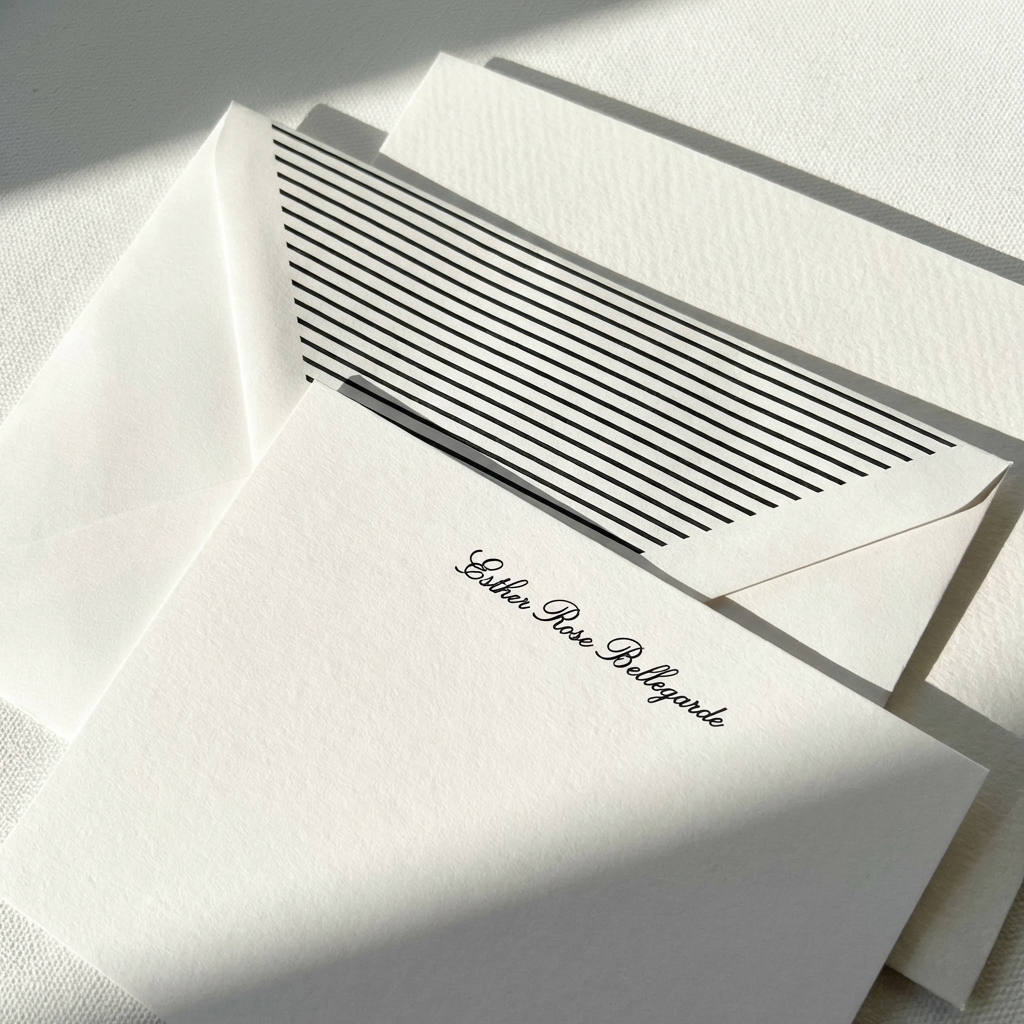
- Letterpress: The resulting print has a soft, tactile impression with subtle debossing. The ink sits on top of the paper, and the impression is often more press-focused than line-perfect. This technique is beloved for its vintage charm and readable, tactile texture.
- Engraving: Engraved pieces are known for their ultra-fine lines and a distinct, shiny impression. The engraved lines push the paper into the inked grooves, creating a refined look with high contrast. Engraving can feel luxurious and formal, often used for invitations that aim for timeless elegance.
Modern Alternatives and Overlaps
In contemporary stationery, you’ll often encounter methods that sit between traditional letterpress and engraving, or that mimic their effects:
- Thermography wedding invitations: This process uses a resin raised on ink to create a raised, tactile surface without the cost and complexity of engraving. Thermography provides a similar raised effect to engraving, but at a fraction of the price and with greater versatility for small print runs.
- Foil stamping: Adds metallic shine and can complement letterpress or thermography to elevate the design.
- Blind embossing/debossing: Creates a raised or recessed design without ink, emphasizing texture through the paper alone.
- Digital letterpress: Modern printers can simulate a letterpress look with digital files, offering more configuration options for mass production.
Choosing the Right Method for Your Event
When selecting between letterpress, engraving, or a thermography wedding invitations approach, consider several factors:
- Budget: Engraving is typically the most expensive due to its specialized process. Letterpress is often more affordable, and thermography provides a cost-effective alternative with a similar tactile effect.
- Quantity: For small runs and customization, thermography or traditional letterpress can be more practical than engraving.
- Paper choice: Heavier, cotton, or deckle-edge papers pair beautifully with letterpress for a pronounced impression. Engraving works exceptionally well on high-quality cotton papers that can withstand the pressure of the process.
- Aesthetic: For vintage charm, letterpress is ideal. For a formal, classic look, engraving might be preferred. Thermography offers a balance between classic raised text and contemporary price points.
Maintenance and Longevity
Printed pieces from any of these methods can endure with proper care:
- Store invitations flat or in a protective sleeve to prevent edge creases.
- Use archival-quality inks and papers to maximize longevity.
- For embossed or debossed designs, avoid heavy folding near the impression to prevent cracking.
Practical Tips for Planning
- Ask for samples: Seeing side-by-side samples of letterpress, engraving, and thermography wedding invitations can help you judge the difference in weight, texture, and color.
- Test color alignment: Letterpress often requires careful color matching due to ink sitting on the surface.
- Consider envelopes: The envelope design should complement the invitation’s texture and weight, particularly with letterpress where impression depth can affect folding.
Final Thoughts
Letterpress and engraving each bring distinctive character to printed pieces. Letterpress offers warmth, texture, and a subtle deboss that many couples love for its vintage appeal. Engraving delivers precision, elegance, and a classic formality that remains timeless. Thermography wedding invitations provide a practical compromise that preserves the tactile feel and visual impact of raised text without the higher cost. By understanding the differences and overlaps, you can select the method that best suits your budget, timeline, and wedding aesthetic.