What is the difference between thermography and flat printing?
- Sep 4th 2026
When planning a special event, the details matter, from the venue to the invitations. If you’re exploring elegant printing options, you’ll likely encounter thermography and flat printing. Understanding how these two methods differ will help you choose the look, feel, and budget that best fits your needs. In this post, we’ll break down thermography wedding invitations and how they compare to flat printing, so you can make a confident decision for your big day.
What is flat printing?
Flat printing, also known as flat offset printing or digital flat printing, is a traditional method where ink sits on the surface of the paper. The result is a clean, crisp image with no texture. Flat printing is versatile and widely used for wedding invitations because it can reproduce fine details and a wide range of colors. It’s often the more budget-friendly option, especially for large guest lists or simple designs.
Key characteristics of flat printing:
- Ink sits on the surface of the paper
- Smooth, flat finish with sharp lines
- Broad color range and high fidelity for detailed images
- Generally more economical for high-volume runs
- Suitable for minimalist to elaborate designs, depending on your budget
What is thermography?
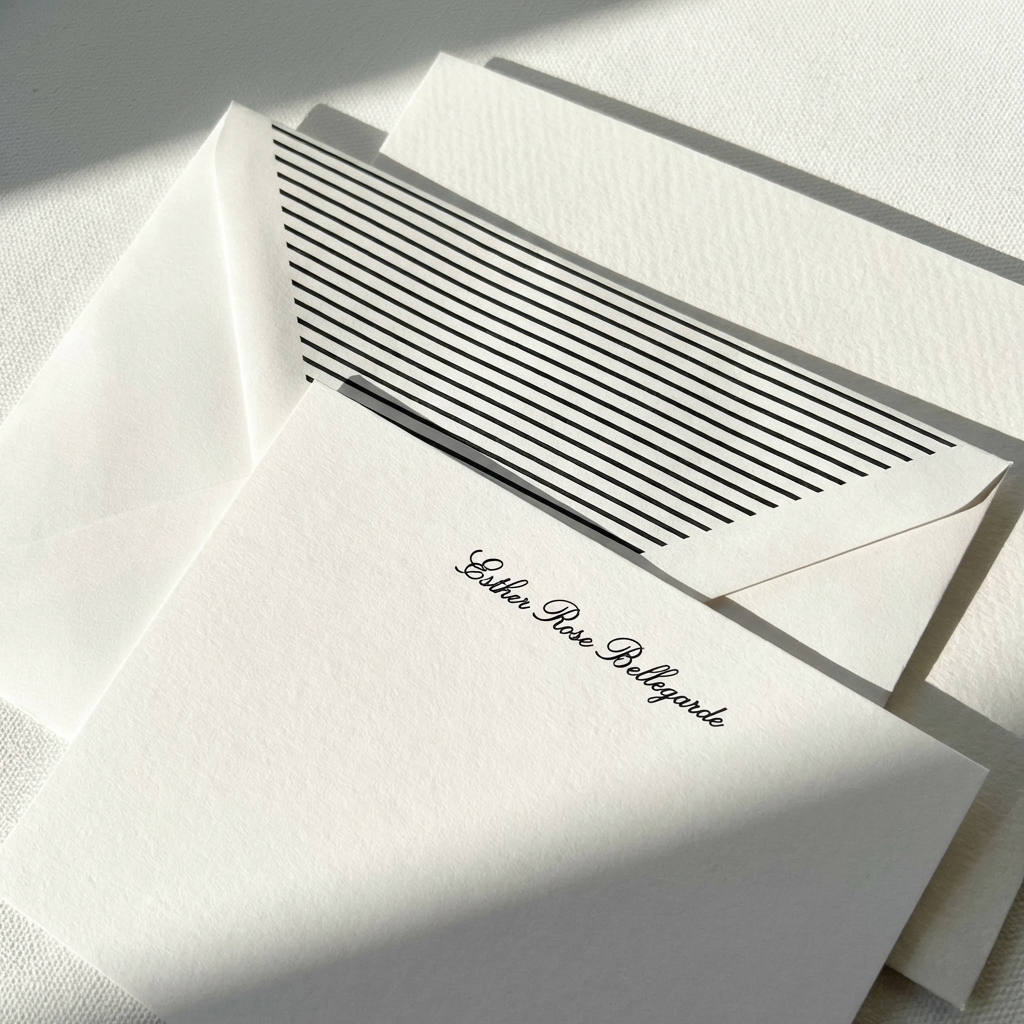
Thermography is a raised-print technique that creates the look and feel of traditional thermographic ink without the complexity of engraving. During the process, ink is applied to the paper and then a special powder is added. The piece is heated in a oven, causing the powder to melt and fuse with the ink, creating a subtle, raised texture. The result is a tactile invitation with depth that catches the light and invites a closer look.
Important points about thermography wedding invitations:
- Raised, textured finish that resembles engraving
- Subtle, elegant texture that adds tactile interest
- Typically more affordable than true engraving but more expensive than flat printing
- Works well with calligraphy and formal designs
- Limited color layering options due to the raised effect
How they compare side by side
-
Texture and feel
- Flat printing: smooth, flat surface with no texture.
- Thermography: raised texture that adds dimension and a tactile experience.
-
Visual impact
- Flat printing: vibrant color and crisp lines; best for photos, graphics, and intricate details.
- Thermography: elegant, debossed-like appearance that enhances formal aesthetics.
-
Cost considerations
- Flat printing: often the most economical choice for large quantities.
- Thermography: mid-range in price; more than flat printing but usually cheaper than true engraving.
-
Durability and practicality
- Flat printing: durable for everyday handling; colors stay vivid.
- Thermography: durable enough for most wedding settings, but the raised texture may be more susceptible to snagging if not handled carefully.
-
Design compatibility
- Flat printing: versatile for a wide range of designs, including full-bleed photos and complex artwork.
- Thermography: ideal for classic, elegant typography and monograms; may be less suitable for very detailed photographic imagery.
Choosing between thermography wedding invitations and flat printing
- If you seek a timeless, sophisticated look with a tactile element, thermography wedding invitations are an excellent choice. They offer a sense of luxury without the higher cost of engraving.
- If your design relies on bold color, photographic imagery, or intricate details, flat printing will deliver the most accurate reproduction with a clean, modern aesthetic.
- Budget and guest count matter. For very large weddings, flat printing can provide substantial savings without sacrificing quality, while thermography provides a standout effect that can elevate a mid-range budget.
- Paper choice influences the final result. Thicker, textured, or darker papers can enhance the raised effect of thermography, whereas smooth, high-quality cardstock tends to maximize the precision of flat printing.
Practical tips for your invitation project
- Request samples: Ask printers for thermography wedding invitations samples and flat printing samples to compare the texture, color, and overall impression in person.
- Consider color strategy: Thermography works beautifully with metallic inks and elegant typography. For flat printing, explore full-color or glossy finishes if you want richer imagery.
- Mind the envelope: The envelope should complement the invitation. A refined envelope liner or a matching color can elevate the whole suite.
- Plan for the budget: Get quotes from several printers. Ask about setup fees, run sizes, and any add-ons that might affect price.
Design considerations for a cohesive suite
- Typography: For thermography, choose fonts with strong contrast and clear letterforms to maximize legibility on the raised surface.
- Color: If you want a restrained palette, thermography shines with metallic accents or soft, refined hues. For flat printing, vibrant colors can be used without concern for depth.
- Imagery: Reserve photographic imagery for flat printing if you want vivid, detailed pictures. For a minimalist look, thermography with a monogram can be stunning.
Final thoughts
Choosing between thermography and flat printing ultimately comes down to the look you want, your budget, and how you want recipients to experience your invitation. Thermography wedding invitations offer a luxurious, tactile impression with elegant simplicity, while flat printing provides versatility, bold color, and modern clarity. By considering texture, color, durability, and design goals, you can select the option that best reflects your style and creates a memorable first impression for your wedding celebration.