
How Do I Add Location in a Wedding Card?
Dec 5th 2025
How Do I Add Location in a Wedding Card?
Planning a wedding involves a thousand tiny details, and one of the most important is clearly communicating where the big day will take place. The location on a wedding invitation is more than just an address, it's the first hint of the day’s mood and a practical guide that helps guests arrive on time. If you’re aiming for a polished, stylish touch, you might also consider how your invitation’s production method, such as thermography, can influence the design and readability of the location details. This guide will walk you through several effective ways to add location information to your wedding card, with practical design tips and real-world examples.
Understanding the Basics: What to Include
Before you dive into design, make sure you include the essential elements related to location:
- Ceremony venue name
- Full street address, including city, state, and zip code
- Date and time of the ceremony (and reception, if separate)
- Any additional logistics (parking notes, dress code implications for venues, accessibility)
- RSVP direction if it’s tied to a separate reply card
For guests, a well-structured location block reduces confusion and ensures everyone arrives without stress. If you’re using a formal invitation suite, consistency across all cards (save-the-date, invitation, details card, and directions card) is key.
Choosing the Right Typeface and Print Method: Thermography and Legibility
One of the most common questions is how the print method affects legibility of location details. Thermography wedding invitations are a popular choice for their elegant, slightly textured finish and traditional look. Thermography creates raised ink that catches the light, giving a refined, classic feel without the heaviness of letterpress.
- Readability: Because thermography sits slightly raised, it can be very readable if you choose a clear, crisp typeface and adequate font size. Avoid extremely delicate scripts for the location block if your guest list includes older guests or guests with visual impairments.
- Font pairing: Pair a bold, legible sans-serif for the address line with a more decorative script for the couple’s names to create contrast without sacrificing clarity.
- Size and spacing: Allow extra line height for the address. Use 10.5 to 12-point type for body lines, depending on the font you choose, and ensure there is enough white space around the location block.
Thermography can be combined with foil accents or ink colors that complement your wedding color palette. If you opt for a lighter paper stock, the raised ink will still stand out, but make sure the ink color contrasts strongly with the paper.
Layout Options: How to Structure the Location on the Card
There are several layout strategies you can employ to present the location clearly and beautifully:
-
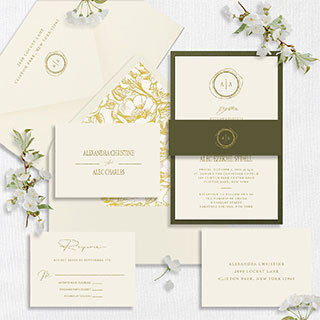
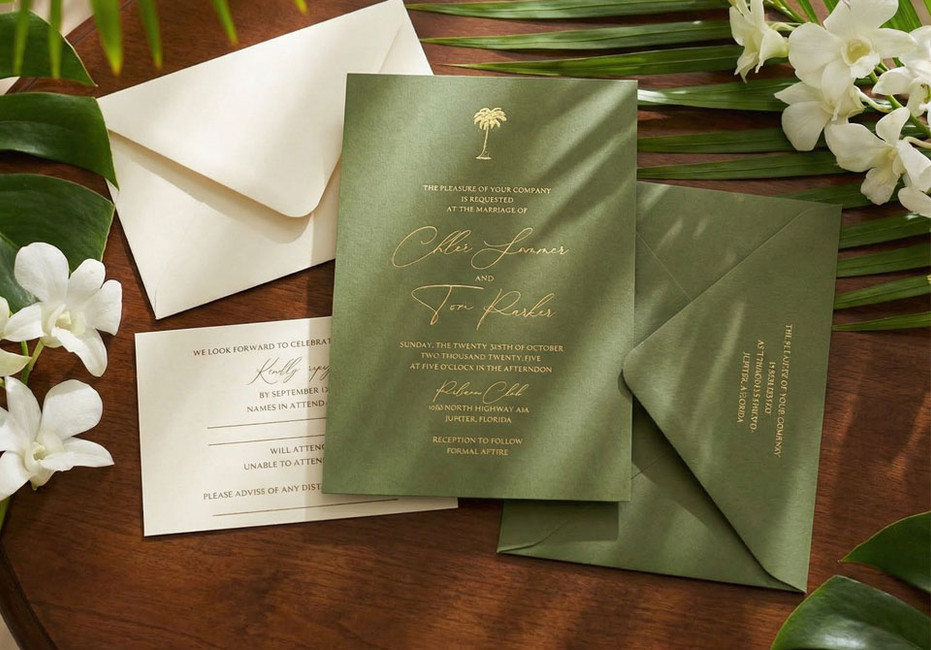
Classic vertical stack Ceremony venue name Street address City, State ZIP Date and time
-
Fold-out or pocket details Use a dedicated Details Card or a Directions Card to present maps, parking notes, and alternate routes. This keeps the main invitation clean while still providing practical information.
-
Inline with other information If your invitation suite is compact, place the location beneath the ceremony information, separated by a subtle rule or generous line spacing. This keeps all critical information in one glance.
-
Map and directions Consider including a small map on a Details Card or a printed insert. For thermography, ensure the map’s key lines remain crisp and legible. If the map is on a separate card, you can use a different print method to distinguish it (e.g., offset or digital print) to preserve legibility.
Getting the Details Right: Practical Tips
- Verify the venue spelling and address: Double-check with the venues to avoid misspellings or outdated addresses. A quick call or email can save a lot of guests’ confusion.
- Time zone clarity: If you have guests traveling from multiple time zones, consider adding a note about local time or including the ceremony time in local time.
- Accessibility notes: If the venue has specific accessibility instructions, you can add a short line to help guests plan their arrival.
- RSVP alignment: If your RSVP card or wedding website collects guest information, ensure the location details align with the address used on those platforms to avoid mismatches.
Design Considerations for Thermography Wedding Invitations
Thermography adds a tactile dimension to the invitation. Here’s how to leverage it for the location details:
- Ink color and contrast: Dark ink on a light, creamy stock is a timeless combination. Navy, black, or charcoal ink often pairs beautifully with a warm off-white paper.
- Emphasis strategies: Use typographic emphasis (bold or all caps for the venue name) to draw attention to the most important element, the place.
- White space: Don’t crowd the location block. Adequate margins and spacing improve readability and convey a sense of craftsmanship.
- Supplemental cards: If you’re using multiple related cards, keep the Details Card in thermography for a cohesive look or reserve it for the main invitation and use standard printing for maps and extra details.
International and Cultural Considerations
If your wedding involves international guests or venues in a country with a different address formatting style, adapt the layout accordingly. Use language and conventions that your guests will understand, and consider including a translated version on a separate card if needed. For destinations with complex directions, a small map with a highlighted route can be very helpful.
Final Thoughts
Adding location information to a wedding card is a balance of clarity, style, and function. By choosing a readable typeface, leveraging thermography thoughtfully, and organizing the layout with care, you can ensure that every guest knows exactly where to go and feels the care you’ve put into the invitation. The location block should be accessible, elegant, and consistent with the overall wedding aesthetic. When in doubt, test print a draft to confirm legibility and spacing. With attention to detail, your wedding invitations will not only inform but also set the tone for a memorable day.